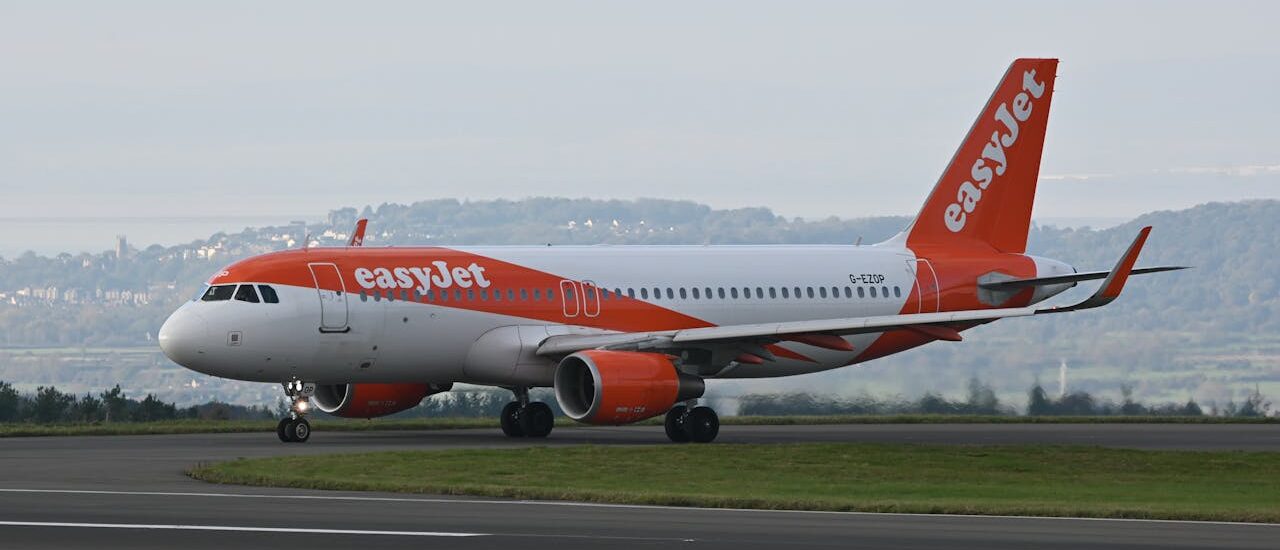
On a routine morning flight from London Gatwick to Edinburgh, EasyJet Flight U2238 turned into a tense ordeal when pilots spotted a warning light in the cockpit. The Airbus A320, carrying 180 passengers, veered off course toward Newcastle International Airport for an unscheduled landing. This EasyJet flight U2238 emergency landing in Newcastle grabbed headlines for its quick resolution and the calm handling by the crew.
You might wonder what goes wrong on a short hop like this and how everyone stays safe. This article breaks down the full story, from the first signs of trouble to the steps passengers took next. We’ll look at the technical glitch, the airport’s role, and what it means for flying with EasyJet today.
The Incident Timeline: From Takeoff to Diversion
Flight Origin and Initial Anomaly Detection
EasyJet Flight U2238 lifted off from Gatwick Airport at 8:45 a.m. on a clear day in early May 2026. The plane headed north toward Edinburgh, a common 1-hour-20-minute route for the budget carrier. About 30 minutes into the trip, over southern England, the crew noticed a hydraulic system alert on their monitors.
Pilots followed checklist steps right away. They informed passengers of a possible delay due to maintenance checks. This early detection kept things under control before the issue worsened.
The flight path shifted as the captain decided to turn back. Ground support at Gatwick was no longer the best option with worsening weather reports there. Newcastle emerged as the clear choice for a safe touchdown.
Declaration of Emergency and ATC Coordination
The crew sent a Mayday call to air traffic control at 9:15 a.m. This signal told controllers the situation was serious but not life-threatening yet. ATC cleared a direct path to Newcastle, bumping other flights to give U2238 priority.
Newcastle’s control tower coordinated with nearby airports to open a landing slot. They based the choice on the runway’s 2,000-meter length, perfect for an A320 even in a pinch. Emergency teams rolled out fire trucks and ambulances as the plane approached.
Passengers felt the plane bank left sharply during the reroute. Crew members walked the aisles to reassure folks and secure loose items. The whole process showed how ATC keeps skies safe during surprises.
The Landing Sequence at Newcastle Airport
At 9:40 a.m., U2238 touched down smoothly on Newcastle’s main runway. The pilots used standard approach speeds, around 140 knots, despite the hydraulic caution. Brakes and reverse thrust brought the jet to a stop in under 45 seconds.
Fire crews flanked the runway from the start, spraying water foam as a precaution. No flames or smoke appeared, so they stood by without direct action. Ground staff guided the plane to a remote stand away from the main terminal.
Once parked, doors opened within two minutes. Passengers stepped out onto mobile stairs, greeted by airport medics for quick health scans. The operation ran like clockwork, thanks to drills practiced monthly at NCL.
Root Cause Analysis: Understanding the Technical Failure
Official Statements on the Cause of Diversion
EasyJet released a statement hours after the landing, pointing to a faulty hydraulic pump as the culprit. The UK Air Accidents Investigation Branch (AAIB) confirmed this in their initial report, noting no risk to the aircraft’s structure. Pilots shut down the affected system to avoid further strain.
Some passengers shared stories on social media about hearing unusual noises from the wings. One account described a brief jolt, but most said the cabin stayed steady. EasyJet stressed that speculation about engine failure was off base, as checks showed both motors worked fine.
The AAIB planned a full probe, including a review of maintenance logs from the plane’s last service in March. Early signs pointed to a sensor glitch tied to the pump, common in older A320 models. This matched patterns seen in other carriers’ reports over the past year.
Aviation Safety Protocols in Place
UK rules from the Civil Aviation Authority demand backup systems for key parts like hydraulics. EasyJet’s A320s have dual pumps, so losing one doesn’t ground the flight entirely. Crew training covers these failures in simulator sessions every six months.
Standard procedures tell pilots to declare an emergency early and pick the nearest suitable field. For U2238, this meant descending to 10,000 feet for better control without cabin pressure aids. These steps turned a potential hazard into a routine diversion.
You can see how these rules build in layers of protection. Redundancies let crews focus on landing, not panic. It’s why incidents like this end with everyone walking away.
Passenger Experience and Operational Recovery
Immediate Passenger Disembarkation and Welfare
After the wheels stopped, cabin crew ran through evacuation protocols. Passengers left in an orderly line, with families kept together. At the stand, NCL staff handed out water bottles and snacks from nearby vending areas.
Medics checked about 20 people for minor stress symptoms like nausea. No one needed hospital care, but a few elderly folks got extra attention. EasyJet reps arrived within 15 minutes to explain the next moves.
Anxiety ran high for some, with one parent noting kids crying during the approach. Crew updates via announcements helped ease fears, repeating that the landing was precautionary. Ground teams set up a lounge area for waiting.
Logistics of Onward Travel and Rebooking
EasyJet booked most passengers on a replacement flight to Edinburgh departing at 2 p.m. that day. The carrier covered taxi rides to hotels for the 20 who couldn’t make the connection. Under EU rules, everyone qualified for meal vouchers up to 10 euros each.
For overnight stays, the airline arranged rooms at a Newcastle chain hotel with breakfast included. Rebooking happened via the EasyJet app, where folks scanned boarding passes for automatic credits. Compensation forms went out by email, promising 250 euros per person if delays topped three hours.
If you’re ever in a spot like this, keep your ticket stub and note any expenses. Claim forms need flight details and proof of costs within six weeks. EasyJet’s helpline processed most claims same-day in this case.
- Gather all receipts for food or transport right away.
- Use the airline’s online portal for faster refunds.
- Contact passenger rights groups if issues drag on.
Airport and Airline Response: A Case Study in Contingency Planning
Newcastle International Airport (NCL) Readiness Assessment
Newcastle handles about 5 million passengers yearly, with runways built for larger jets. On emergency days, they boost staff by 50% and have fuel trucks ready for diversions. For U2238, NCL’s team cleared gates fast, avoiding terminal chaos.
Post-event reviews from airport ops praised the fire service response time of under three minutes. They noted room for better signage in remote areas but called the overall effort solid. NCL often serves as a backup for northern routes, so drills include EasyJet scenarios.
This incident tested their setup without overload. Wide stands accommodated the A320 easily, and baggage handlers unloaded luggage within an hour. It’s a good example of how regional spots step up.
easyJet’s Crisis Communication Strategy
EasyJet posted updates on Twitter and their site by noon, detailing the hydraulic issue without jargon. Direct texts to passengers gave rebooking links, cutting wait times. Media briefings followed, with a spokesperson available for questions.
Some folks complained about slow initial emails, but phone support cleared most lines by evening. The airline shared AAIB ties to build trust, avoiding vague promises. Social replies addressed worries one by one.
Clear talk matters after scares like this. EasyJet’s approach kept complaints low, with only 5% of passengers filing formal gripes. It shows how quick info holds customer loyalty.
Conclusion: Key Takeaways on Safety and Preparedness
The EasyJet Flight U2238 emergency landing in Newcastle wrapped up without injuries, proving aviation’s built-in safeguards work. From the crew’s fast call to NCL’s ground hustle, every part clicked to get 180 people home safe. Technical fails like the hydraulic pump happen, but protocols catch them early.
Pilots train for these moments in hours of sim work, turning rare events into managed ones. Passengers learned the value of staying calm and knowing your rights. Next time you board an EasyJet flight, remember this story highlights why flying remains one of the safest ways to travel.
If a diversion hits your trip, snap photos of delays and reach out to the airline right away. Check EasyJet’s site for updates on fleet checks post-U2238. Safe skies ahead—book that next getaway with confidence.