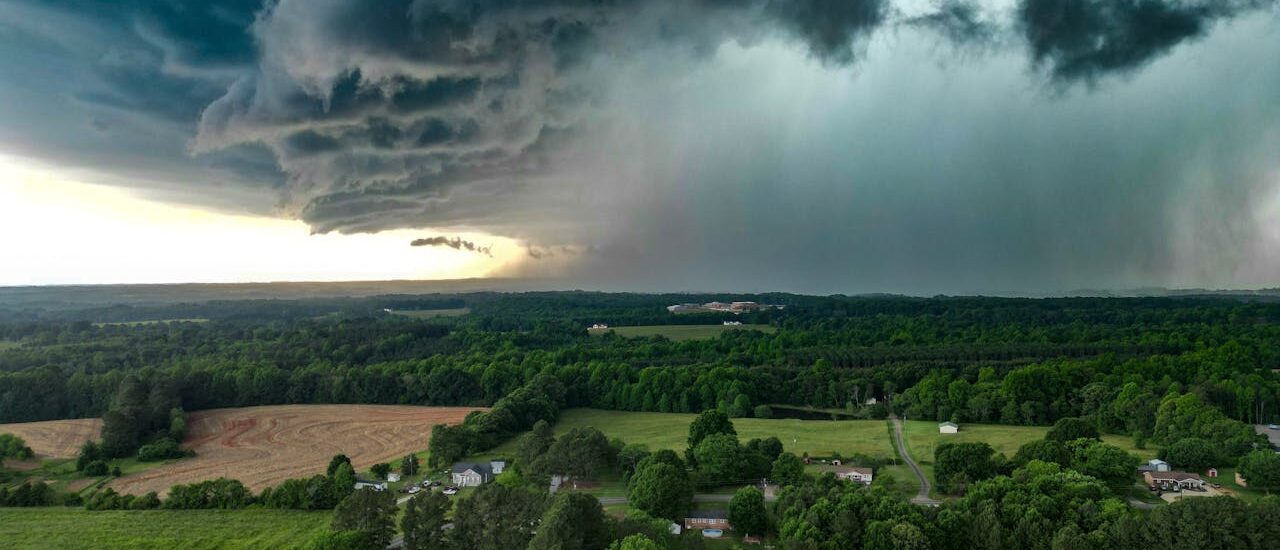
The sky turns a strange shade of gray. The air gets heavy and still. These are often the first signs of trouble in the Palmetto State. Right now, there are multiple severe thunderstorm alerts issued for South Carolina counties, and residents must take the situation seriously. Weather patterns can change in an instant, turning a warm afternoon into a dangerous event with little warning. Whether you live on the coast or in the Upstate, staying ready is the best way to keep your family and property safe.
The National Weather Service (NWS) constantly watches the radar for signs of danger. They track moisture, heat, and wind speeds to predict when a storm might become life-threatening. When you hear about an alert, it is a call to action. You do not want to be caught off guard when the wind picks up or the hail starts to fall. This guide covers how to read these alerts, what they mean for your area, and the steps you need to take before, during, and after the storm.
Understanding Multiple Severe Thunderstorm Alerts Issued for South Carolina Counties
Weather alerts help you plan ahead. They are not just background noise on your phone or television. These messages tell you exactly when to move to safety and when to wait out the storm. Understanding the difference between these alerts is the first step in protecting yourself.
What are Severe Thunderstorm Watches and Warnings?
It is vital to know the difference between a watch and a warning. They are not the same thing, and they require different levels of care.
- A watch means conditions are right for storms to form. It covers a large area and can last for several hours. You should keep an eye on the sky and check for updates. Think of this as a time to get your supplies ready and know where you will go if the weather gets worse.
- A warning means a storm is happening right now. Radar has spotted a severe storm, or someone on the ground has reported it. This is your cue to take shelter immediately. A severe thunderstorm warning typically means winds will exceed 58 miles per hour or that hail at least one inch in diameter is present. You should act quickly because these storms are already hitting your area.
The Science Behind Severe Thunderstorms
Severe storms need specific “ingredients” to grow. The sun heats the ground, which warms the air above it. This warm air rises quickly into the cooler atmosphere. This movement is called lift. If there is enough moisture in the air and enough instability, these updrafts can become powerful storms.
These storms can produce several dangerous hazards:
- Damaging Winds: These are the most common threat. They can topple trees, snap power lines, and damage roofs. Sometimes, straight-line winds can hit as hard as a small tornado.
- Large Hail: Hail forms when updrafts carry raindrops high into the freezing parts of a cloud. It can grow from the size of a pea to the size of a golf ball or larger. It causes significant damage to cars, windows, and roofs.
- Flash Flooding: Heavy rain can fall in a short amount of time. This water has nowhere to go and quickly floods roads and low-lying areas. Never drive through flooded water.
- Tornadoes: While not every severe storm creates a tornado, they are possible. These storms create rotating winds that cause massive destruction.
Current Alerts and Impacted Areas
South Carolina is a large state with diverse weather patterns. A storm may hit one county hard while the next county over stays dry. Because of this, you need to track alerts for your specific location.
Identifying Specific County Alerts
The best way to stay informed is through official channels. The NWS website is the most reliable source for real-time information. You can search by your county to see if you are in a warning zone.
- Check your local television news stations. They often have dedicated meteorologists who track storms as they move across the state.
- Use a NOAA Weather Radio. This is a dedicated device that sounds an alarm when the NWS issues a warning for your area. It works even if the power goes out.
- Follow local emergency management offices on social media. They provide updates on road closures, shelters, and potential hazards specific to your community.
Always remember that these maps change fast. A storm can move quickly across the map, and alerts will update as the storm shifts. Just because you are not in an alert zone right now does not mean you will not be in one an hour from now.
Potential Impacts on South Carolina Communities
When severe storms hit, they leave a mark on the area. The most common impact is power loss. Strong winds knock branches onto power lines, which can leave homes without electricity for hours or even days.
Beyond the power grid, severe storms cause damage to homes and businesses. Roofs can be torn off, siding can be ripped away, and trees can fall on structures. This often leads to road closures as crews work to clear debris. Agriculture also takes a hit. Farmers may see crops destroyed by hail or washed away by too much rain. These events create a ripple effect on the local economy and require a massive cleanup effort.
Safety Precautions and Preparedness
Being ready is better than being sorry. If you take the time to prepare before the bad weather starts, you will have much less stress when the storm hits.
Before the Storm: Pre-Storm Preparations
You should have a plan that everyone in your home knows. If the power goes out and phones stop working, where will you go?
- Pick a room in your home to use as a safe room. This should be an interior room on the lowest floor, away from windows and doors.
- Clean up your yard. Bring in outdoor furniture, grills, and potted plants. Anything that can be picked up by the wind can turn into a dangerous projectile.
- Build an emergency kit. You need water, non-perishable food, a manual can opener, a first-aid kit, a flashlight, extra batteries, and a battery-powered radio. Store these in a waterproof bag that you can grab in a hurry.
During the Storm: Seeking Shelter and Staying Safe
If a warning is issued for your area, you need to move to your safe place. Do not wait to see the storm yourself. Radar is much more accurate than your eyes.
- Stay away from windows. If the storm produces hail or high winds, flying glass is a major danger.
- If you are in a car, try to get to a sturdy building. If you cannot reach a building, pull over to a safe spot, park away from trees and power lines, and stay in the car. Keep your seatbelt on and cover your head with a blanket or jacket.
- Avoid using landline phones. Lightning can travel through the wires. Use a cell phone if you need to call someone, but limit use to save the battery.
If you are caught outside, try to get inside a building or a car. If you are stuck in an open field, crouch low to the ground. Do not lie flat on the ground. Stay away from tall trees and metal objects.
After the Storm: Recovery and Reporting
Once the storm passes, your work is not quite finished. You need to be careful as you return to normal life.
Assessing Damage and Reporting
Your safety is the priority after the storm ends. Before you walk outside, check your home for damage. Look for broken glass, hanging branches, or signs of structural cracks. If you smell gas, leave the building immediately and call the authorities.
If you find damage, document it. Take clear photos or videos of every impacted area before you start cleaning up. This will be very important when you file a claim with your insurance company. If you do not have proof of the damage, it will be much harder to get help with the costs.
Also, be a good neighbor. Report downed power lines or flooded roads to your local utility company or police department. Do not touch any wires, even if they look safe. A line that looks dead can become live again without warning.
Staying Informed During and After the Event
The weather situation can stay active even after the initial front passes. Keep your radio or phone turned on to catch any follow-up alerts. Sometimes, one round of storms is followed by a second, potentially worse round.
Check on your neighbors, especially those who are elderly or have health issues. If you have the ability, offer to help clear debris once it is safe to go outside. Community support is vital during the recovery process. Staying alert and following these steps will help you handle the current severe weather risk in South Carolina and keep your home safe.